 en
en 
Laser Spot Treatment
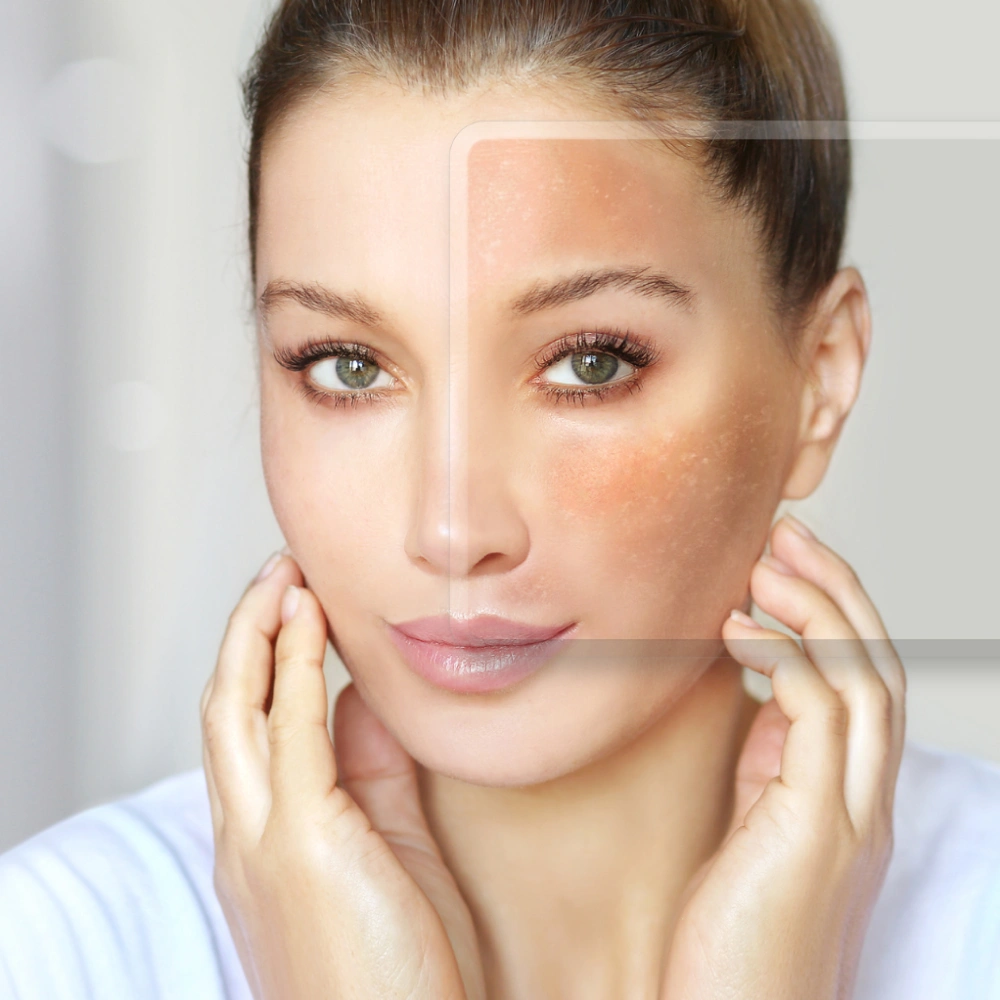
What is Laser Spot Treatment?
Laser spot treatment is an energy-based dermatological approach aimed at reducing the appearance of dark areas caused by excess melanin accumulation in the skin. The goal is not only to lighten the pigmentation but also to help achieve a more balanced and even skin tone. Sun spots, age spots, freckles, post-acne discoloration, and certain types of hyperpigmentation are among the conditions that may be evaluated with laser treatments. However, since not all spots have the same structure, the same laser type or protocol is not suitable for every case.
Why do skin spots occur?
Skin pigmentation can develop due to various reasons. One of the most common causes is sun exposure. In addition, hormonal changes, post-inflammatory pigmentation following acne or other skin conditions, aging, genetic predisposition, and environmental factors can also trigger pigmentation. Conditions such as melasma are not merely superficial concerns; they may have a tendency to recur and require more careful management. Therefore, planning treatment without correctly identifying the type of pigmentation may not be the most appropriate approach.
Which spots can be treated with laser?
Laser treatments are most commonly considered for sun spots, age spots, freckles, and certain types of post-inflammatory hyperpigmentation. In some patients, melasma may also be included in the treatment plan; however, melasma requires more careful evaluation. This is because it can be sensitive to heat and light, and in some individuals, inappropriate or aggressive treatment may increase pigmentation. Therefore, laser spot treatment should not be viewed as a single universal solution, but as one of several options selected based on the type of pigmentation.
How does laser spot treatment work?
Laser systems are designed to selectively target pigment in the skin. The energy directed at areas with higher melanin concentration helps break down the pigment, allowing the body’s natural processes to gradually reduce its appearance. This means the treatment is targeted rather than removing the entire skin surface evenly. However, results do not appear in the same way for every individual or in a single session. Factors such as depth, color, duration of the spot, skin type, and sun exposure significantly influence the outcome.
Which type of laser is used?
The type of laser used depends on the characteristics of the pigmentation and the skin. As stated in the provided content, Q-switched and Nd:YAG lasers are commonly used to target melanin deposits. In practice, different systems may be evaluated for superficial or deeper pigmentation types. The most important factor is not the device name itself, but proper patient selection and correct parameter planning. The same device may produce different results depending on the skin type and pigmentation characteristics.
How is the procedure performed?
Before the procedure, skin type, pigmentation characteristics, depth, distribution, previous treatments, and sun exposure habits are evaluated. Then, the appropriate laser system is selected, and the treatment is planned. Most procedures are completed in a short time in a clinical setting. As noted in the provided content, sessions typically last around 20–30 minutes, and multiple sessions may be required depending on the depth of pigmentation. During the procedure, mild stinging, warmth, or temporary sensitivity may be felt. After treatment, temporary redness or slight darkening of the pigmentation may occur, which can be a normal part of the healing process in some patients.
Who is it suitable for?
Laser spot treatment may be considered for adults with sun spots, age spots, freckles, post-acne pigmentation, or uneven skin tone. It is particularly suitable for individuals seeking a more even and brighter skin appearance. However, not every patient is a candidate for laser treatment. Conditions such as active infection, open wounds, certain skin diseases, recent tanning, photosensitizing medications, or a tendency toward pigmentation may affect treatment planning. In individuals with darker skin tones or a higher risk of post-inflammatory hyperpigmentation, a more cautious approach is required.
Why is melasma treated more cautiously with laser?
Melasma behaves differently from simple sun spots. It can be triggered by hormonal factors, sun exposure, visible light, and heat, and it may have a tendency to recur. Therefore, laser is not always the first or only option in melasma treatment. In some patients, topical treatments, sun protection, and combination approaches may be more appropriate. If laser is considered, it should be planned with careful patient selection, controlled parameters, and proper post-treatment care.
How many sessions are required?
The number of sessions in laser spot treatment is not fixed. Some superficial sun spots may show noticeable improvement after a few sessions, while deeper or more resistant pigmentation may require longer follow-up. Conditions such as melasma or post-inflammatory hyperpigmentation often require a more gradual and patient approach. Therefore, treatment should not be seen as a one-time quick solution, but as a process guided by the skin’s response over time.
What should be considered after the procedure?
The post-treatment period is as important as the procedure itself. Without proper sun protection, pigmentation may darken again or new spots may develop. Therefore, using high-protection sunscreen, avoiding direct sun exposure, being cautious with heat exposure, and following the recommended skincare routine are essential. Mild redness, sensitivity, or temporary darkening of the spots may occur in the first days. During this period, avoiding harsh peels, strong acids, or improper product use is important for optimal healing.
Why is personalized planning important for natural and safe results?
Success in laser spot treatment is not only about lightening pigmentation but also about maintaining overall skin balance while achieving safe improvement. Using higher energy does not always lead to better results. On the contrary, incorrect patient selection or improper planning may worsen pigmentation irregularities, especially in certain skin types. Therefore, a detailed evaluation by Dr. Mustafa Kemal Ataönder helps determine the type of pigmentation, suitability of laser treatment, session planning, and post-treatment care in a personalized manner.
Frequently asked questions about laser spot treatment
Does laser spot treatment completely remove all spots?
No. Results vary depending on the type, depth, skin structure, and sun protection habits. The goal is usually to reduce the appearance of pigmentation and achieve a more even skin tone.
Can melasma be treated with laser?
It may be considered in selected patients; however, melasma requires careful planning. Laser is not always the first option for every patient, and the decision should be made after evaluation.
Can spots become darker after the procedure?
Yes, in some patients, temporary darkening or a crust-like appearance may occur after treatment. This does not always indicate a negative outcome, but proper follow-up and care are important.
Is laser spot treatment painful?
Most individuals describe the sensation as mild stinging, warmth, or a snapping feeling. The intensity depends on the device used, treatment area, and individual sensitivity.
Why is sun protection so important after the procedure?
Because the skin becomes temporarily more sensitive after treatment, and sun exposure may cause pigmentation to darken again. Sun protection is essential for maintaining results.
Learn more: For detailed information about laser spot treatment and other treatment options, you can visit the contact page. For informative content about treatments, you can explore the YouTube channel.
