 en
en 
Acne / Pimples Treatment
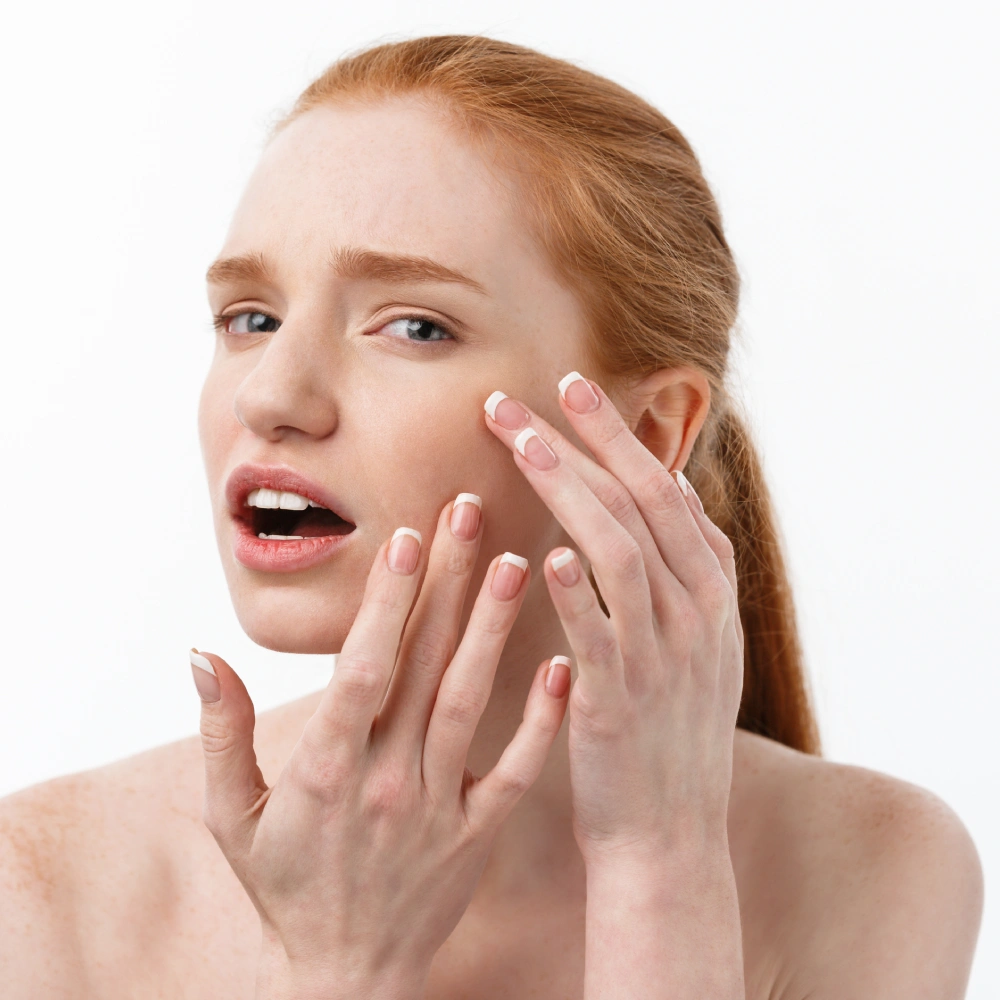
What is Acne / Pimples Treatment?
Acne treatment is a comprehensive dermatological approach that not only aims to reduce active breakouts on the skin, but also evaluates underlying causes such as oil production, pore blockage, inflammation, and the risk of post-acne scarring. Acne is a very common skin condition that develops when hair follicles become clogged with oil and dead skin cells, leading to inflammation and sometimes changes in bacterial balance. Therefore, effective treatment is not based on a single product, but on a personalized protocol tailored to the type and severity of acne. As also stated in the provided content, this approach addresses active acne, underlying causes, and post-acne marks together.
Why does acne occur?
Multiple factors contribute to the development of acne. Overactive sebaceous glands, clogged pores, inflammation, hormonal changes, and genetic predisposition are among the most common causes. According to widely accepted medical knowledge, acne is associated with excess sebum production, dead skin cell accumulation, bacterial activity, and inflammation. As a result, some individuals may primarily experience blackheads and whiteheads, while others develop more painful and inflamed lesions.
Why is personalized planning important in acne treatment?
Not all acne is the same. Mild comedonal acne and more severe acne involving nodules and cysts require different treatment approaches. Treatment planning should consider acne severity, scarring risk, and its impact on quality of life. While topical treatments may be sufficient in some patients, others may require oral medications, hormonal approaches, or procedural support. In other words, successful acne treatment is not only about drying out pimples, but about correctly identifying the acne type and creating an appropriate treatment strategy.
Which methods can be used in acne treatment?
Common treatments include topical retinoids, benzoyl peroxide, azelaic acid, and in some cases topical or oral antibiotics. In more resistant or severe cases, oral isotretinoin or hormonal therapies may be considered for suitable patients. According to dermatological guidelines, treatment varies depending on acne type, and combination approaches are often more effective. As noted in the provided content, supportive treatments such as laser, chemical peels, PRP, and targeted skincare protocols may also be combined when appropriate.
Are active acne and acne scars treated at the same time?
Often yes, but not with the same methods. The primary goal in active acne is to control new breakouts and inflammation. Acne scars, red or brown marks, and textural depressions are evaluated separately. As indicated in the content, active acne may be managed with appropriate laser, phototherapy, or peeling methods, while scars may be addressed with fractional laser or microneedling. This distinction is important, as focusing only on scars while active inflammation continues may not provide sufficient results.
When are procedural treatments considered?
Depending on acne type and skin needs, treatments such as chemical peels, certain laser systems, microneedling, or supportive skincare protocols may be included. However, these procedures are not automatically suitable for every patient with active acne. If inflammation is dominant, it may need to be controlled first. Procedural treatments become more relevant when acne scars, pigmentation, or texture irregularities are more prominent. Therefore, instead of a “one device fits all” approach, a staged and personalized plan is more appropriate.
Who is it suitable for?
Acne treatment may be considered for adolescents and adults experiencing blackheads, whiteheads, inflamed pimples, adult acne, hormonally triggered acne, post-acne pigmentation, or scarring. Acne is not limited to adolescence and can persist or develop in adulthood, especially in women. Individuals with painful lesions, risk of scarring, or insufficient response to home care products should consider professional evaluation.
Why is home care important in acne treatment?
Home skincare plays a critical role in the success of medical acne treatment. Gentle cleansing (no more than twice daily and after sweating), avoiding harsh scrubbing, and using non-comedogenic products are commonly recommended. Over-cleansing, aggressive peeling, or improper product use can damage the skin barrier and worsen irritation. Therefore, acne treatment is not limited to in-clinic procedures; proper daily skincare is an essential part of the process.
Why is early treatment important to prevent acne scars?
Acne should not be considered only as a temporary condition. Deep and inflamed lesions can lead to permanent scarring. Early and appropriate treatment can help control active acne and reduce the risk of future scars. Instead of waiting for acne to resolve on its own, timely intervention is important. A detailed evaluation by Dr. Mustafa Kemal Ataönder helps determine how to prioritize treatment of active acne, pigmentation, and scar risk in a personalized manner.
What should be considered during and after treatment?
Results in acne treatment are usually gradual. Topical products, oral medications, and procedural treatments may take several weeks or longer to show visible improvement. It is important not to discontinue treatment prematurely, avoid picking or squeezing pimples, use sunscreen regularly, and follow the recommended skincare protocol. In individuals prone to post-acne pigmentation, sun protection becomes even more critical.
Frequently asked questions about acne / pimples treatment
Can acne be completely treated with a single product?
Not always. Depending on the type and severity of acne, multiple treatment methods may be required. Mild acne may respond to topical treatments, while more resistant cases may require combination therapy.
Does squeezing pimples cause scars?
Yes, it can. Squeezing pimples may increase inflammation, delay healing, and raise the risk of pigmentation or permanent scarring. It is important to avoid manipulating lesions.
Is laser suitable for all acne patients?
No. Laser and similar procedures are considered in selected patients and at appropriate stages. The severity of inflammation, skin type, and presence of scarring influence the decision.
Do post-acne marks disappear on their own?
Some marks may fade over time; however, the process can be slow and varies between individuals. Sun exposure may make pigmentation more persistent, so proper care and medical support are important.
Is acne only seen in teenagers?
No. Acne can also occur in adults and may persist or develop later in life, especially in women. Adult acne often requires professional evaluation and management.
Learn more: For detailed information about acne treatment and other treatment options, you can visit the contact page. For informative content about treatments, you can explore the YouTube channel.
