 en
en 
Non-Surgical Eyelid Aesthetics
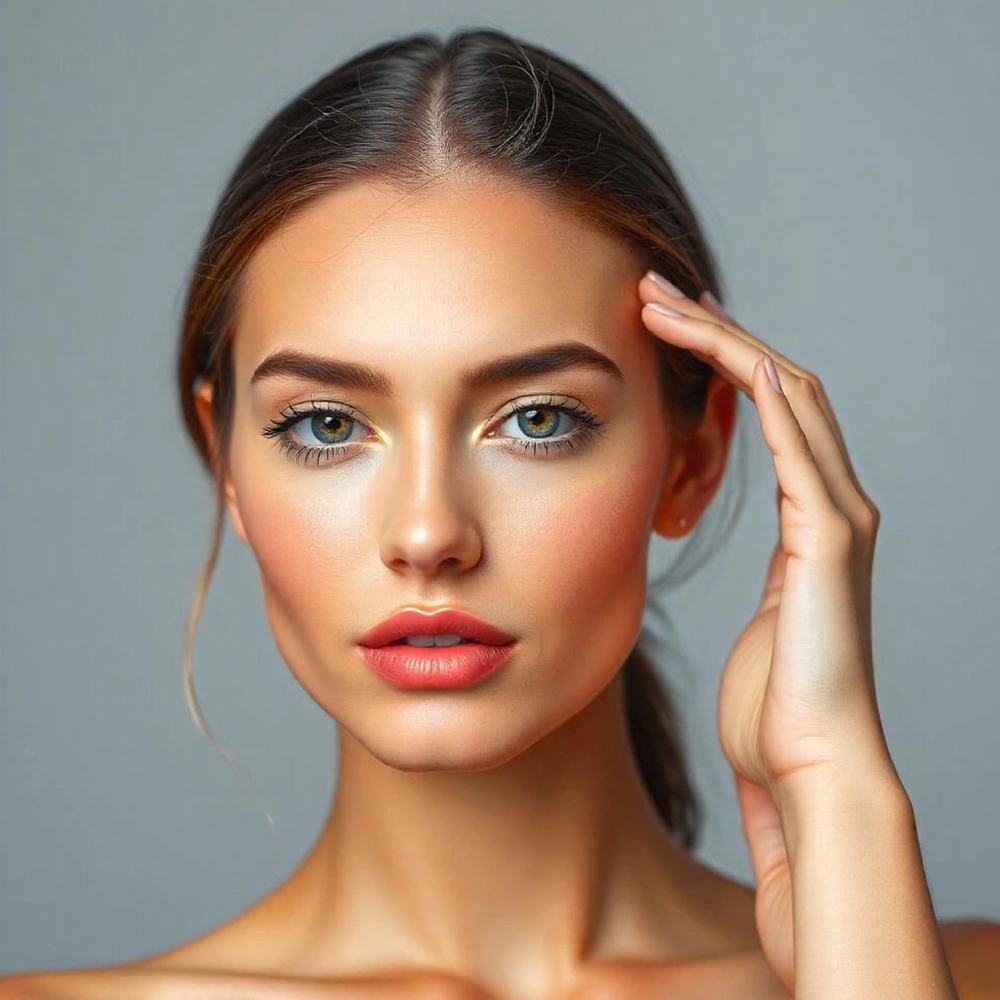
What is Non-Surgical Eyelid Aesthetics?
Non-surgical eyelid aesthetics is a general term for aesthetic approaches aimed at improving concerns such as a tired appearance around the eyes, heaviness in the upper eyelid, mild sagging, under-eye hollowness, or fine lines—without surgery. This approach does not consist of a single procedure. Depending on individual needs, plasma energy, thread applications, Botox, fillers, or skin-quality-enhancing treatments may be planned either alone or in combination. The main goal is not to completely change the eye area, but to achieve a more open, refreshed, and vibrant appearance.
Why does the eyelid area show signs of aging earlier?
The eye area has one of the thinnest and most dynamic skin structures on the face. Therefore, aging, facial expressions, sun exposure, genetics, sleep patterns, and lifestyle factors tend to become visible here earlier. Mild skin laxity in the upper eyelid, fine lines around the eyes, drooping of the brow tail, or under-eye hollowness and shadowing may develop over time. These changes do not always have the same cause. In some individuals, excess skin may be the main issue, while in others, brow position, volume loss, or anatomical structure may be more significant.
What is non-surgical eyelid aesthetics used for?
This approach is most commonly considered for mild heaviness in the upper eyelid, tired appearance around the eyes, crow’s feet lines, drooping of the brow tail, under-eye hollowness, and decreased skin quality in the periocular area. It may be particularly suitable for individuals who do not prefer surgery or do not yet have a level of skin excess that requires surgical intervention. Some individuals aim for a brighter under-eye area, while others want a more open upper eyelid appearance. Therefore, treatment planning is always individualized.
Which methods can be used in non-surgical eyelid aesthetics?
The treatment plan varies depending on the underlying cause of the concern. If mild upper eyelid skin laxity is present, plasma energy or certain energy-based treatments may be considered. If brow tail drooping is more prominent, Botox or thread-based support may help create a more open expression. If under-eye hollowness and shadowing are the main concerns, under-eye fillers may be an option in suitable patients. To support skin quality, mesotherapy, PRP, or similar biorevitalization approaches may be included. Therefore, non-surgical eyelid aesthetics should be considered as a personalized and holistic approach rather than a single procedure.
How do these treatments work?
The effect of non-surgical methods depends on the selected technique. Plasma or energy-based treatments aim to support controlled tightening and skin renewal. Botox may help create a more open expression by balancing specific muscle activity around the eyes and brows. Fillers can reduce shadowing by softening under-eye hollowness. Thread applications may provide subtle support to the brow area in some individuals. However, none of these methods aim to achieve the same results as surgical blepharoplasty in cases of advanced skin excess or functional eyelid drooping.
Who is it suitable for?
Non-surgical eyelid aesthetics may be considered for adults with mild to moderate upper eyelid laxity, tired-looking eyes, crow’s feet, or under-eye hollowness. It is particularly suitable for individuals who prefer to avoid surgery, want minimal downtime, and aim to maintain a natural appearance while achieving a more rested look. However, in cases of significant skin excess, advanced eyelid drooping, visual field obstruction, or pronounced under-eye bags, surgical options may be more appropriate. Therefore, proper patient selection is essential.
Why is the same treatment not suitable for every condition?
One of the most common mistakes in periocular aesthetics is grouping all concerns under a single category. What appears as “eyelid drooping” may be due to excess skin, brow ptosis, or true eyelid muscle-related issues. Similarly, not every under-eye darkness requires filler; pigmentation, vascular visibility, puffiness, or anatomical structure may all play a role. Therefore, successful planning begins not with choosing a procedure, but with correctly identifying the underlying cause.
How is a natural look maintained?
The eye area is one of the most expressive parts of the face. Even small interventions can significantly affect facial expression. The key principle for natural results is not to change the eye structure, but to correct the subtle factors contributing to a tired look. Excessive filler, overly elevated brows, or aggressive energy treatments may lead to an unnatural appearance. In a well-planned non-surgical eyelid treatment, the individual appears more open, refreshed, and vibrant, without looking “overdone.”
How is the treatment planned?
Initially, the upper eyelid skin, brow position, under-eye structure, facial movements, and overall facial proportions are evaluated together. Then, the areas that truly require support are identified. In some patients, Botox alone may be sufficient, while in others, under-eye fillers or plasma treatments may be necessary. In certain cases, a staged approach rather than performing all procedures at once may lead to more natural results. Therefore, a personalized protocol is more appropriate than a standard package. A detailed evaluation by Dr. Mustafa Kemal Ataönder helps determine whether non-surgical eyelid aesthetics is suitable and how to achieve the most natural outcome.
What is the recovery process like?
The recovery process varies depending on the selected method. In treatments such as Botox or fillers, mild sensitivity, redness, or occasional bruising may occur. In plasma or energy-based procedures, short-term crusting, swelling, or redness may develop. In thread applications, a mild feeling of tightness or limited swelling may be observed. These effects are usually temporary. Since the eye area is sensitive, early changes may not reflect the final result, and time should be allowed for proper healing and evaluation.
Why is pre-treatment evaluation important?
The eyelid area requires more careful evaluation than many other facial regions. This is because not only aesthetic appearance but also eye function, eyelid movement, and anatomical safety must be considered. In some cases, the issue may not be excess skin, but related to brow position or muscle function. Therefore, treatment decisions should not be based solely on visual concerns, but on a detailed clinical evaluation. Proper patient selection plays a key role in achieving both natural and safe results.
Frequently asked questions about non-surgical eyelid aesthetics
Can non-surgical eyelid aesthetics replace blepharoplasty?
Not always. Non-surgical options may be suitable for mild to moderate concerns. However, in cases of significant excess skin, advanced sagging, or functional issues, surgical blepharoplasty may be more appropriate.
Can under-eye bags be completely corrected without surgery?
Not always. The cause of under-eye bags is important. In cases of mild hollowness and shadowing, non-surgical options may be helpful, but in pronounced puffiness or excess tissue, surgical approaches may be more effective.
Which treatment is most effective?
There is no single answer. Upper eyelid laxity, brow position, under-eye structure, and skin quality all require different approaches. The most effective method depends on the underlying cause.
Are results visible immediately?
This depends on the selected procedure. Botox and fillers may show earlier visible changes, while plasma or energy-based treatments tend to produce more gradual results.
Can daily activities be resumed after the procedure?
In many cases, yes. However, mild swelling, redness, sensitivity, or short-term crusting may occur depending on the method used. Following post-treatment care recommendations is important.
Learn more: For detailed information about non-surgical eyelid aesthetics and other treatment options, you can visit the contact page. For informative content about treatments, you can explore the YouTube channel.
