 en
en 
Laser Hair Removal
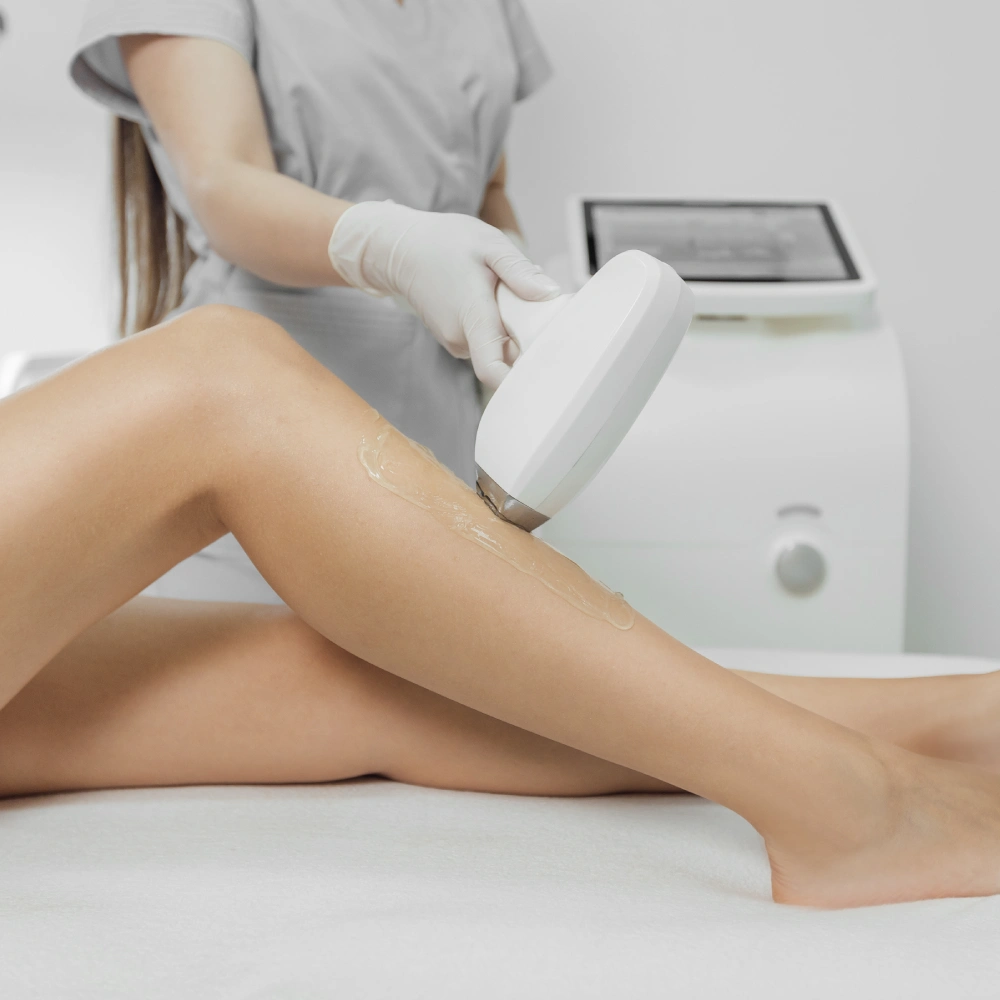
What is Laser Hair Removal?
Laser hair removal is an energy-based aesthetic procedure designed to reduce the appearance of unwanted hair and provide a more comfortable long-term skincare routine. The goal is to selectively heat the structures that nourish the hair follicle and weaken the hair growth cycle. It is not intended to eliminate all hair in a single session, but to gradually reduce hair density, thickness, and growth rate over time. Therefore, laser hair removal is considered a professional solution that offers longer-term results compared to temporary methods such as waxing or shaving.
Why is laser hair removal preferred?
This procedure is most commonly preferred for reducing unwanted hair in areas such as the face, underarms, arms, legs, bikini area, back, chest, and neck. For some individuals, the goal is aesthetic improvement, while for others, factors such as frequent shaving, ingrown hairs, irritation, or saving time are more important. It is especially considered by individuals prone to ingrown hairs or those tired of constant hair removal routines. However, results may vary depending on the treatment area and hair type.
How does laser hair removal work?
Laser energy is absorbed by the melanin pigment within the hair. When this energy reaches the follicle, it helps reduce the hair’s ability to regrow. However, since not all hairs are in the same growth phase at the same time, the treatment cannot be completed in a single session. Laser treatment is most effective during the active growth phase of the hair. For this reason, sessions are planned at specific intervals, and the process progresses gradually. Over time, hair becomes finer, sparser, and grows more slowly.
Which laser systems are used?
Commonly used systems include Alexandrite, Diode, and Nd:YAG lasers. The most suitable device depends on skin tone, hair thickness, treatment area, and whether the skin is tanned. Some systems may be more effective for lighter skin with darker hair, while others may be safer for darker skin tones. Therefore, device selection should be based not on popularity but on compatibility with the individual’s skin and hair characteristics.
Which areas can be treated?
Laser hair removal can be applied to many areas of the body. On the face, common areas include the upper lip, chin, and sideburns; on the body, underarms, arms, legs, back, chest, and bikini area are frequently treated. However, each area differs in terms of hormonal influence, hair structure, and skin sensitivity. For example, fine facial hair influenced by hormones may respond differently compared to thicker leg hair. Therefore, treatment plans should be personalized for each area.
Who is it suitable for?
Laser hair removal may be considered for adults seeking a long-term solution for unwanted hair. It is generally more effective in darker and thicker hair types. However, lighter-colored, red, gray, or very fine hair may respond less effectively. Conditions such as active infection, open wounds, recent tanning, photosensitizing medications, or certain skin diseases may influence treatment planning. Therefore, suitability should always be determined through proper evaluation of skin and hair characteristics.
How many sessions are required?
Laser hair removal is typically not a single-session procedure. Because hair grows in different phases, multiple sessions are required to target hairs at the right stage. As noted in the provided content, many areas may require approximately 6–10 sessions, usually scheduled 4–8 weeks apart. However, this number is not the same for everyone. Factors such as treatment area, hormonal influence, hair structure, and individual response affect the total number of sessions.
Is laser hair removal permanent?
Laser hair removal is generally performed to achieve long-term hair reduction. This does not necessarily mean that all hair will be completely and permanently eliminated. In many individuals, hair becomes significantly reduced, finer, and slower-growing. Some areas may remain clear for a long time, while others may experience regrowth of fine and sparse hair over time. In hormonally influenced areas such as the face and neck, maintenance sessions may be required. Therefore, realistic expectations should focus on long-term reduction rather than permanent total removal.
What is the recovery process like?
After the procedure, mild redness, warmth, sensitivity, or small bumps may occur in the treated area. These are usually temporary and short-lived. In the first days, it is advisable to avoid hot showers, saunas, intense exercise, and irritating skincare practices. Sun protection is especially important, as the skin may become temporarily more sensitive. Avoiding scratching and following aftercare instructions help ensure a more comfortable recovery process.
Why is safety important in laser hair removal?
Although laser hair removal is widely performed, it requires proper device selection and accurate parameter settings. Incorrect settings, especially in tanned or darker skin tones, may increase the risk of burns, irritation, or pigmentation changes. Therefore, the procedure should be planned not only for hair reduction but also with a strong focus on skin safety. Factors such as skin tone, tanning status, hair thickness, and treatment area must be carefully evaluated beforehand.
Why is personalized planning important for natural and balanced results?
Every skin and hair type responds differently. Some individuals may notice significant reduction after a few sessions, while others may require a longer process. Facial areas, hormonally influenced regions, fine hair, or lighter hair colors may require different approaches. Therefore, laser hair removal should not be planned as a fixed package but tailored to the individual’s skin structure, hair density, and desired outcome. A detailed evaluation by Dr. Mustafa Kemal Ataönder helps determine the most appropriate device, treatment intervals, and safest approach.
Frequently asked questions about laser hair removal
Does laser hair removal completely eliminate hair?
Not always. The goal is usually long-term reduction, thinning, and slower regrowth of hair. Maintenance sessions may be required in some areas.
How many sessions are needed?
This varies depending on the treatment area and hair type. Most individuals require multiple sessions, especially in hormonally influenced areas.
Is laser hair removal painful?
The sensation varies between individuals but is often described as mild stinging, warmth, or a snapping feeling similar to a rubber band. The level depends on the device, area, and individual sensitivity.
Can laser hair removal be done in summer?
In some cases, it can be performed with careful planning. However, due to increased risks in tanned skin, evaluation should be more cautious, and sun protection is essential.
Is redness normal after the procedure?
Yes. Mild redness and temporary sensitivity are common and usually subside within a short time.
Learn more: For detailed information about laser hair removal and other treatment options, you can visit the contact page. For informative content about treatments, you can explore the YouTube channel.
